Portable solar generators are becoming increasingly popular as sustainable energy solutions. As we look forward to 2026, advancements in technology make these devices more efficient and user-friendly. This guide is designed to help you navigate the complexities of choosing the right portable solar generator for your needs. Factors to consider include power output, battery types, port compatibility, speed of solar charging, and overall portability. Whether you’re prepping for power outages or planning your next outdoor adventure, knowing the essential features to look for will empower you to make an informed decision tailored to your specific use case.
Key Factors to Consider Before Buying a Portable Solar Generator
Power Output and Capacity Explained for Real-World Use
When assessing the power output and capacity of a portable solar generator, it’s crucial to consider your specific energy needs. Generators typically state their power in watts, which indicates how much electricity they can provide at any given moment. Think about the devices you intend to power, such as laptops, refrigerators, or lights, and calculate their combined wattage. It’s wise to select a generator with slightly more capacity than your estimated needs to ensure reliability. For example, the Anker SOLIX F3800 Plus offers dual voltage outputs and a substantial 6,000W AC per unit, capable of powering everything from fridges to central AC systems. This range of power ensures that you have the flexibility to adapt to varying energy requirements throughout your usage scenarios.
Battery Types in 2026: LiFePO4 vs Lithium-Ion
Choosing the right battery type affects the longevity and efficiency of a solar generator. In 2026, LiFePO4 (Lithium Iron Phosphate) and traditional Lithium-Ion batteries are prominent options. LiFePO4 batteries offer greater stability, higher efficiency, and a longer lifespan compared to their counterparts, making them an excellent choice for frequent use or high-capacity needs. The Anker SOLIX model features EV-grade batteries that promise a life span of over a decade, backed with a solid 5-year warranty. Lithium-Ion variants, while offering good performance, may have reduced longevity and thermal stability, making LiFePO4 batteries an advantageous choice for demanding applications due to their robust cycle life and resilience under various conditions.
See also: Intelligent Infrastructure Technology Explained
Port Selection and Device Compatibility Essentials
A critical factor to consider is the range and type of ports available on the generator. You should prioritize models offering versatile port options that enhance compatibility with your devices. Common ports include USB, AC outlets, and DC car sockets. Advanced generators, like the Anker SOLIX F3800, provide direct EV/RV charging with NEMA TT-30P and L14-30 ports, facilitating seamless integration with electric vehicles and larger appliances. This versatility ensures you can charge all essential devices without needing adaptors or additional equipment. Review the devices you plan to support and ensure the generator accommodates their specific charging requirements for optimal utility.
Performance, Charging, and Portability Features That Matter
Solar Charging Speed and Panel Efficiency Insights
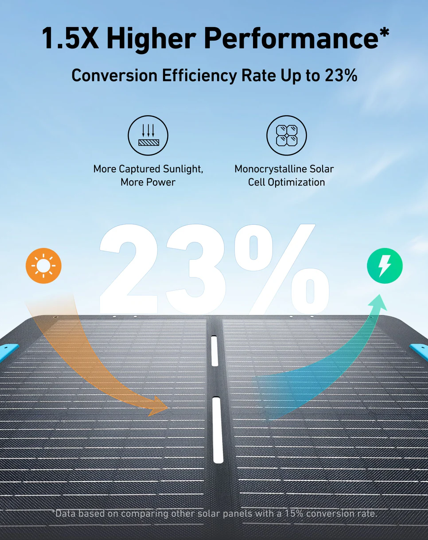
The speed at which a solar generator charges is critical for continuous use, especially during emergencies. Look for models that offer high-efficiency solar panels with rapid charging capabilities. The Anker SOLIX F3800 Plus features up to 3,200W solar input, capable of fully recharging in under two hours given optimal sunlight. This quick turnaround time ensures that you can maintain power without lengthy downtime. Consider the efficiency of the panels—higher ratings indicate better energy conversion, allowing the generator to harness maximum sunlight efficiently, thereby reducing reliance on other power sources during recharging cycles.
Portability, Weight, and Design for Travel and Home Use
For users who frequently travel or aim to use the generator in multiple locations, portability is paramount. Evaluate the weight and ease of transport for each model. Designs that incorporate handles, wheels, or compact formats will enhance mobility for outdoor activities. Even large-scale models like Anker SOLIX maintain a user-friendly design that supports both extensive home use and hassle-free relocation. Additionally, aesthetic design should not be overlooked—sleek, compact models integrate well with both outdoor environments and home interiors, offering practicality without sacrificing style.
Choosing the Right Solar Generator for Your Use Case
Portable Solar Generators for Camping and Outdoor Trips
For camping and outdoor excursions, focus on lightweight models with efficient solar panels that charge swiftly. Port selection is essential to keep devices like cameras and smartphones powered. The Anker SOLIX’s portability and advanced charging options make it ideal for adventure seekers wanting reliable energy access in remote areas. Compact designs coupled with robust battery life ensure you can stay connected while enjoying the great outdoors. Consider rechargeable battery packs that pair with larger systems to extend usage time—these features enhance offline capability on trips where consistent sunshine is unpredictable.
Home Backup Power and Emergency Preparedness Options
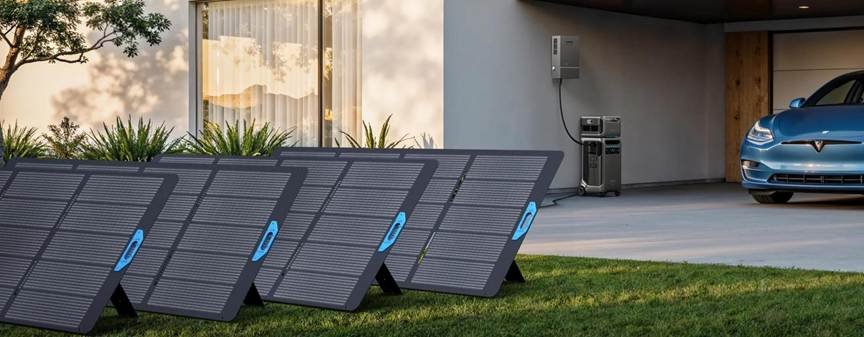
Solar generators serve as excellent backup power sources for home use during outages. Opt for models with higher capacity and scalability to maintain essential home functions. The Anker SOLIX F3800 stands out for its expandable capacity, ranging from 3.84kWh to 53.8kWh, allowing for prolonged use in emergencies. Additionally, its compatibility with 240V outlets or gas generators provides flexibility during extended outages. Planning ahead involves selecting models capable of supporting critical devices such as refrigerators, medical equipment, and communication devices, ensuring your home remains operational when conventional power sources fail.

Reliable Portable Solar Generators from Anker SOLIX
Anker SOLIX offers reliable solutions with their advanced solar generators featuring high power output and versatile charging options. The F3800 Plus model exemplifies this with a dual voltage output and remote control features via the Anker app, allowing users to efficiently manage their power resources from anywhere. The solid build, coupled with a robust five-year warranty, guarantees reliability and durability over time. For those seeking comprehensive backup power tailored to diverse needs, Anker SOLIX provides scalable solutions that address both everyday usage and emergency preparedness.
Conclusion
Choosing the right portable solar generator in 2026 requires attention to power, battery, and design preferences tailored to different use scenarios. With advancements in technology, today’s solar generators portable offer significant improvements in efficiency and usability. Evaluating key factors such as power output, battery type, and port compatibility will help ensure you select a model that meets your specific requirements. The Anker SOLIX series offers proven performance and reliability, making it a noteworthy selection for both home and travel needs. Armed with the right information, you can confidently invest in a generator that delivers sustainable and efficient power when you need it most.